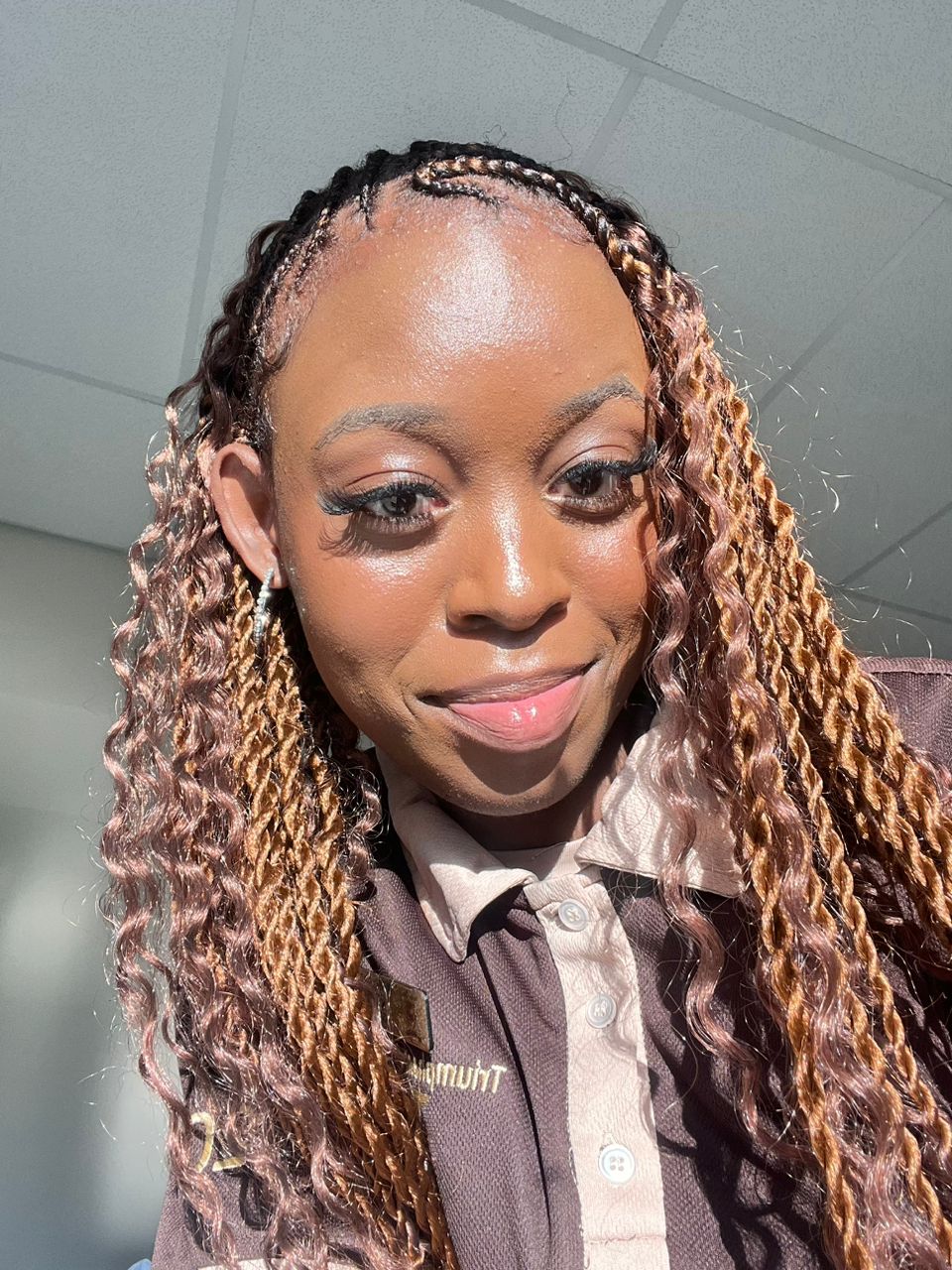
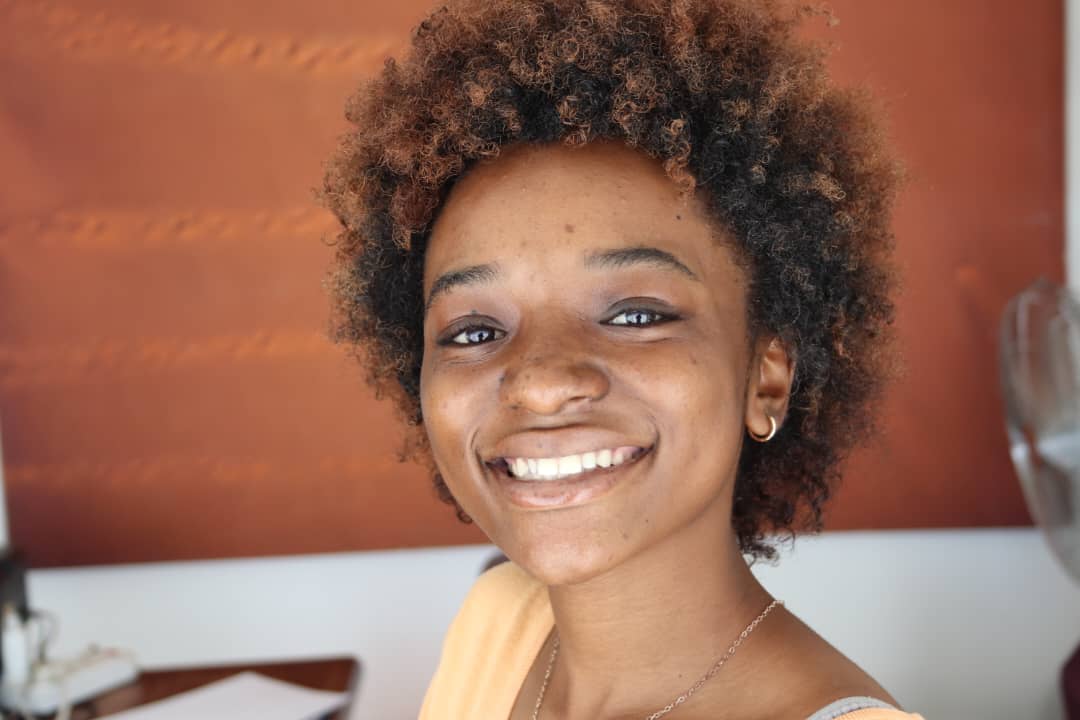
-Shalom Shivolo
Shalom Shivolo is a student at NUST studying Bachelor of Communication. You can find her on Instagram @shalomsfiles._
In the age of constant connectivity, students find themselves caught between two worlds: the one they inhabit physically, and the one they curate digitally. Social media has become more than a tool for communication; it is now a stage where identity, success, and even happiness are performed and reformed. But, the question that lingers is whether we are living for ourselves or for the internet.
For many students, their first instinct upon achieving something is not to savour or appreciate the moment privately but to share it online. A new outfit, a meal at a new restaurant, or even a quiet sunset becomes content. The value of the experience is more often than not measured by the interaction these posts receive rather than by personal meaning. This shift raises uncomfortable questions: are we documenting life to preserve memories, or are we performing life to gain validation?
The pressure to present a polished version of oneself online is immense. Platforms reward perfection—flawless selfies, witty captions, curated aesthetics, and therefore, students often feel inclined to edit out the messy, authentic parts of their lives, replacing them with filtered versions that align with digital expectations. In doing so, identity becomes fragmented: the person we are offline may not match the persona we project online. This dissonance and undeniable disconnect can lead to anxiety, self-doubt, and a sense of living inauthentically.
Yet, social media is not only a source of pressure; it is also a space of connection. Students use it to find communities, express creativity, and amplify their voices. Movements for social justice, mental health awareness, and cultural pride thrive online, giving students a sense of agency and belonging. The internet can empower, but it can also entrap, turning self-expression into self-performance.
The danger lies in mistaking visibility for value. When students begin to equate their worth with their online presence, decisions about what to study, how to dress, or even where to travel may be influenced less by personal desire and more by how “shareable” the outcome will be. Life risks becoming a series of staged moments designed for an audience rather than authentic experiences lived for oneself.
So, are we living for ourselves or for the internet? The truth may be that we are doing both. The digital era has blurred the line between private and public, authentic and curated. What matters is whether students can reclaim agency by choosing when to share, when to disconnect, and when to live fully in the moment without the need for an audience. To live for oneself in the social media era is not to reject the internet, but to resist being defined by it.
Ultimately, the challenge for students is balance: embracing the opportunities of digital life while remembering that the most meaningful experiences often happen away from the screen. The internet should amplify our voices, and should never drown out our own.