(By Sylvia Hashondali)
Abusive Relationship:
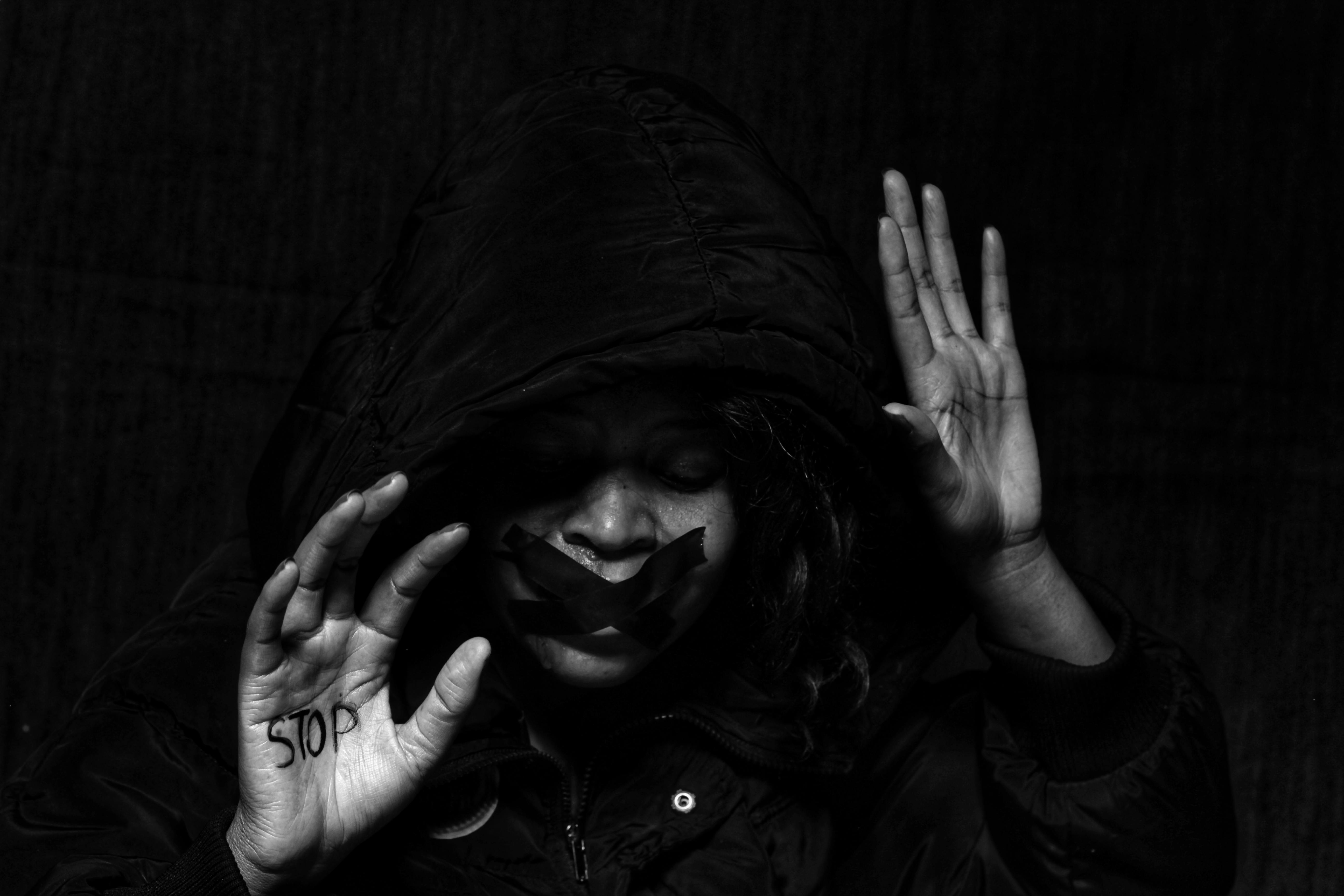
Abuse means treating someone with violence, disrespect, cruelty, harm, or force. When someone treats their partner in any of these ways, it’s called an abusive relationship. Abuse in a relationship can be physical, sexual, or emotional.
Early Signs of an abusive relationship:
- Use of mean words to shame or belittle you
- Acts jealously and is controlling
- Harms you physically in any way (hitting, pushing, shaking, or kicking)
- Threatens to harm themselves or you if you leave the relationship
- Controls who you hang out with
- Demands to know where you are at all times
- Makes you feel bad for something they did
- Demands or asks for your sign-in information for your social media accounts
- Feeling Isolated in a Relationship
Why are they ignored?
- Embarrassment from the abused partner
- You trauma bond
- Gaslighting and guilt tripping from the abusive partner
- Victims hope for change
What to do:
- Keep a record of their behaviour
- Tell a parent, trusted adult, health provider, or friend what you’re going through so they can help.
- Try to get your emotional strength back by doing something that brings peace
- Move toward healthy relationships that add to your well-being.
Did you know?
Some people believe that domestic violence often remains completely hidden because it is shrouded in shame and secrecy, or because it is considered to be a private matter, and does not get reported to the police.
https://www.lac.org.na/projects/grap/Pdf/seekingch4.pdf
If you or anyone you know is experiencing any form of abuse, dial 106 Gender-Based Violence HelpLine. The Gender Department at LifeLine/ChildLine Namibia implements two projects aiming to promote Gender Equality and address Harmful Gender Norms.