
-Ottilie Andreas
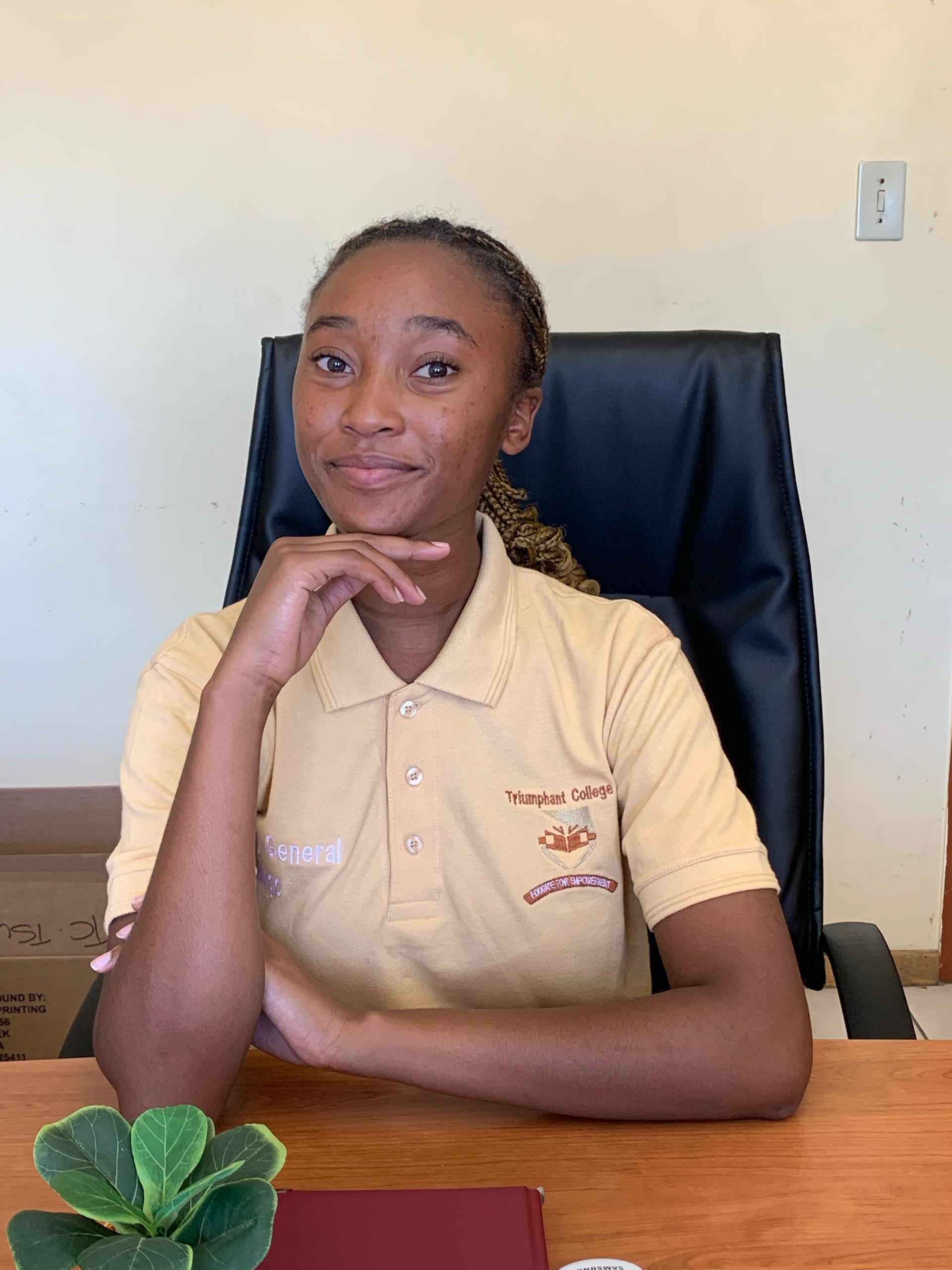
Ottilie Andreas, Student Represtantive Council (SRC) for Information and Publicity at International University of Namibia (IUM)
For Ottilie Andreas, a student leader and passionate advocate for youth participation, Namibia’s independence is more than a historical milestone; it is a living responsibility. As the country reflects on its democratic journey, she believes young people must understand their role in protecting and strengthening the freedoms that were hard-won.
From her perspective, Namibian Independence represents freedom, opportunity, and responsibility. It is a reminder that access to education, freedom of speech, and the right to participate in leadership structures were secured through sacrifice. For Ottilie, independence is not only about celebrating the past, it is about shaping the future.
Encouraging Civic Engagement on Campus
Student leadership, she explains, plays a critical role in promoting civic awareness among young people. Through organized debates, awareness campaigns, leadership workshops, and community outreach programs, student leaders create safe platforms where students can voice their opinions and engage with national issues.
Ottilie emphasizes that encouraging participation in student governance structures and democratic activities helps young people understand the importance of being active citizens. These experiences teach accountability, dialogue, and collaboration, skills essential for both campus leadership and national development.
Why Student Involvement Matters
According to Ottilie, students are the leaders of tomorrow, and their involvement in democratic processes prepares them for that responsibility. Participation allows students to advocate for their rights, contribute to decision-making that affects education and youth development, and strengthen democratic values within society.
When students engage in leadership and governance, they not only gain confidence but also develop critical thinking and problem-solving abilities. These skills are vital in building a responsive and inclusive democracy.
The Role of Universities
Universities, she believes, must create environments that nurture responsible citizenship. By supporting student leadership structures, promoting civic education, and encouraging community engagement, higher education institutions help shape informed and socially conscious graduates.
Ottilie argues that universities are not just academic spaces, they are training grounds for leadership, innovation, and social responsibility. When students are empowered, they become active contributors to national progress.
Youth as Architects of the Future
Young people, Ottilie concludes, are central to Namibia’s development. Through innovation, leadership, and active participation in social and economic initiatives, the youth have the power to address national challenges and drive meaningful change.
She strongly believes that youth voices must be included in decision-making spaces. Their energy, creativity, and commitment are essential in building a stronger, more inclusive Namibia.
You can find Ottilie on Instagram @otily._.nelago