By Délcio Da Cunha
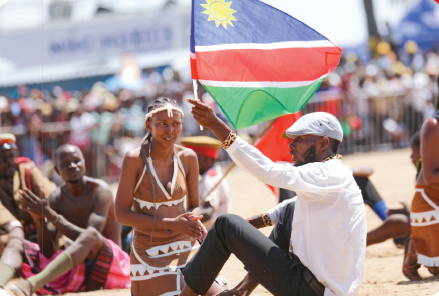
Language is more than just a medium of communication; it is the foundation of cultural identity. In Namibia, a country rich in cultural diversity, language plays a critical role in preserving the traditions, histories, and values that define our communities. Through language, stories are passed down, customs are maintained, and a collective sense of belonging is nurtured. It is through our languages that the essence of Namibia’s cultural heritage continues to thrive.
Mother tongues, in particular, hold a special place in preserving this heritage. They are powerful links that connect individuals to their ancestral roots and cultural traditions. For young people, embracing and valuing their mother tongues is essential in maintaining this connection. When we speak and celebrate our native languages, we honour the wisdom and experiences of those who came before us. In doing so, we strengthen our identity and cultivate a deeper sense of pride in who we are and where we come from.
In a nation as diverse as Namibia, language education also plays an important role in fostering unity. Learning multiple languages, especially local languages, encourages greater understanding among different cultural groups. It bridges divides, promotes mutual respect, and allows people from various backgrounds to communicate more effectively. By embracing multilingual education, we build a society that values inclusion and cultural exchange, creating stronger bonds within our communities.
Students have a significant role to play in preserving Namibia’s cultural heritage. As young leaders and future custodians of our nation’s traditions, students are uniquely positioned to promote language, celebrate cultural practices, and engage actively with their communities. By participating in cultural initiatives, encouraging the use of indigenous languages, and sharing knowledge with peers, students contribute to keeping Namibia’s cultural identity vibrant and alive.
At the same time, multilingualism offers valuable advantages in today’s interconnected world. Being able to communicate in more than one language enhances students’ ability to navigate different cultural environments and broadens their academic and career opportunities. It fosters deeper cultural understanding and equips young people with the skills needed to interact confidently in both local and global contexts.
As Namibia continues to grow and evolve, the preservation of our languages remains essential to safeguarding our cultural identity. By valuing our mother tongues, promoting multilingual education, and encouraging students to actively engage with their heritage, we can ensure that the rich cultural tapestry of Namibia continues to flourish for generations to come.
Délcio Da Cunha, is the SRC Vice President for Lingua